

Tanzania stands as one of Africa’s most iconic safari destinations, offering unparalleled wildlife experiences that capture the imagination of travelers worldwide. From the vast plains of the Serengeti to the magnificent Ngorongoro Crater, an African safari Tanzania delivers breathtaking encounters with nature’s most spectacular creatures in their natural habitats.
Why Choose Tanzania for Your African Safari
Tanzania encompasses some of the most diverse and pristine ecosystems on the African continent. The country protects approximately 40% of its land in national parks, game reserves, and conservation areas, creating an extensive network of protected wilderness that supports extraordinary biodiversity. This commitment to conservation has positioned Tanzania as a premier destination for authentic safari experiences that combine adventure, luxury, and meaningful wildlife encounters.
The Tanzanian safari experience distinguishes itself through its variety of landscapes, from acacia-dotted savannas and dense forests to volcanic highlands and seasonal wetlands. Each ecosystem supports distinct animal populations, ensuring that every safari offers unique sightings and experiences. The country’s tourism infrastructure has evolved to accommodate all preferences, from budget camping safaris to ultra-luxury lodges, making this African adventure accessible to diverse travelers.
The Serengeti: Heart of Tanzania’s Safari Experience
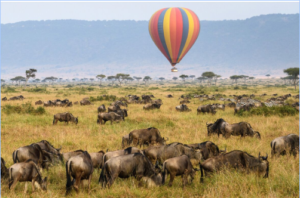
The Serengeti National Park represents the quintessential African safari landscape. Covering approximately 14,750 square kilometers, this UNESCO World Heritage Site hosts the planet’s largest terrestrial mammal migration. Each year, over two million wildebeest, accompanied by hundreds of thousands of zebras and gazelles, traverse the Serengeti ecosystem in a circular pattern driven by seasonal rainfall and grass availability.
Witnessing the Great Migration remains one of nature’s most spectacular events. The dramatic river crossings, where massive herds plunge into crocodile-infested waters, create unforgettable safari moments. However, the Serengeti’s appeal extends far beyond the migration. The park sustains year-round populations of lions, leopards, cheetahs, elephants, giraffes, and countless other species. The Central Serengeti, with its kopjes (rocky outcrops), provides excellent predator viewing throughout the year, as big cats use these natural vantage points for hunting and resting.
The Western Corridor offers different scenery and wildlife concentrations, particularly along the Grumeti River where the migration typically passes between May and July. The Northern Serengeti, bordering Kenya’s Masai Mara, becomes the migration’s focus from August through October, featuring dramatic river crossings at the Mara River.
Ngorongoro Crater: Africa’s Garden of Eden
The Ngorongoro Conservation Area showcases one of Africa’s most remarkable geological features. This massive volcanic caldera, formed approximately three million years ago, creates a natural amphitheater spanning 260 square kilometers. The crater floor descends 600 meters below the rim, forming a self-contained ecosystem that supports an estimated 25,000 large animals.
The crater’s unique geography creates ideal safari conditions. Wildlife viewing here ranks among the world’s finest, with virtually guaranteed sightings of the Big Five (lion, leopard, rhinoceros, elephant, and Cape buffalo). The Ngorongoro Crater hosts one of Africa’s densest lion populations and represents one of the continent’s best locations for viewing the critically endangered black rhinoceros.
Beyond wildlife, the crater offers stunning scenery. The highland forests along the rim provide habitat for elephants and various primate species, while the crater floor encompasses diverse habitats including grasslands, swamps, forests, and Lake Magadi, a shallow alkaline lake frequented by thousands of flamingos.
Tarangire National Park: Land of Giants
Tarangire National Park, though smaller than the Serengeti, offers exceptional wildlife experiences, particularly during the dry season from June through October. The Tarangire River serves as the park’s lifeline, attracting enormous concentrations of animals when other water sources disappear.
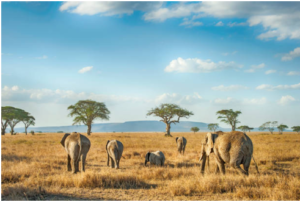
The park is renowned for its elephant populations, with herds sometimes numbering in the hundreds. These gentle giants congregate along the riverbanks, creating spectacular photographic opportunities. Ancient baobab trees punctuate the landscape, some exceeding 2,000 years old, providing iconic African imagery.
Tarangire’s biodiversity extends beyond elephants. The park hosts impressive populations of lions, leopards, cheetahs, and wild dogs. Bird enthusiasts will appreciate the park’s over 550 recorded bird species, including numerous endemic varieties. The swamps in the south of the park remain green year-round, supporting diverse wildlife even during the driest months.
Lake Manyara National Park: Compact Wilderness Wonder
Lake Manyara National Park demonstrates that safari excellence doesn’t require vast spaces. This compact park, extending along the base of the Great Rift Valley escarpment, packs remarkable wildlife diversity into a relatively small area. The alkaline lake that gives the park its name covers approximately two-thirds of the total area and attracts massive flocks of flamingos and other water birds.
The park gained fame for its tree-climbing lions, an unusual behavior rarely observed elsewhere. While sightings aren’t guaranteed, encountering these magnificent cats lounging in acacia branches remains a possibility. The groundwater forest near the park entrance creates a lush environment inhabited by troops of baboons and blue monkeys, while the grasslands and acacia woodlands beyond support elephants, buffaloes, giraffes, and zebras.
Selous Game Reserve and Ruaha National Park: Southern Tanzania’s Hidden Gems
While northern African safari Tanzania attracts most safari visitors, the southern parks offer equally rewarding experiences with fewer crowds. Selous Game Reserve (recently renamed Nyerere National Park) ranks among Africa’s largest protected areas, covering approximately 50,000 square kilometers. The Rufiji River system creates a network of channels, lakes, and swamps that support exceptional wildlife populations.
Selous offers diverse safari activities beyond traditional game drives. Boat safaris along the Rufiji River provide unique wildlife viewing perspectives, particularly for observing hippos, crocodiles, and water birds. Walking safaris, accompanied by armed rangers, deliver intimate bush experiences unavailable in vehicle-only parks.
Ruaha National Park, Tanzania’s largest national park, remains relatively undiscovered despite its outstanding wildlife concentrations. The Great Ruaha River serves as the park’s primary water source, creating excellent dry-season wildlife viewing. Ruaha supports Tanzania’s largest elephant population and impressive numbers of both lions and endangered African wild dogs.
Best Time for an African Safari in Tanzania
Tanzania offers year-round safari opportunities, though timing significantly impacts the experience. The dry season, from June through October, represents the peak safari period. Wildlife concentrations around water sources increase as vegetation thins, improving visibility. This period coincides with the Great Migration’s dramatic river crossings in the northern Serengeti.
The short rains from November through December and long rains from March through May create the “green season.” While some camps close and roads may become challenging, this period offers advantages including lower rates, fewer visitors, and spectacular scenery. Predator viewing often improves as prey animals give birth. Bird enthusiasts particularly appreciate this season, as migratory species arrive and many birds display breeding plumage.
January and February provide excellent opportunities to witness the wildebeest calving season in the southern Serengeti, when approximately 500,000 calves are born within a few weeks, attracting numerous predators.
Safari Accommodation Options
Tanzania’s accommodation spectrum ranges from basic camping to ultra-luxury lodges. Budget travelers can choose camping safaris, either in public campsites or organized mobile camps. Mid-range lodges and tented camps provide comfortable amenities while maintaining close connections to nature. Many feature elevated platforms or canvas structures that allow natural sounds and breezes while ensuring safety.
Luxury and ultra-luxury properties deliver exceptional experiences combining comfort, service, and prime wildlife viewing locations. These establishments often feature private verandas, plunge pools, gourmet dining, and exclusive game drives. Some luxury camps offer walking safaris, night drives, bush dinners, and other special experiences unavailable in standard packages.
Mobile tented camps follow the Great Migration, ensuring guests remain close to the action throughout the year. These camps combine comfort with flexibility, relocating between the southern Serengeti, Western Corridor, and northern regions according to migration patterns.
Cultural Encounters: The Maasai Experience
Tanzania’s safari experience extends beyond wildlife. The Maasai people, who inhabit areas surrounding many parks, maintain traditional lifestyles that coexist with wildlife. Many safari itineraries include cultural visits to Maasai villages, offering insights into their pastoral traditions, distinctive dress, and complex social structures.
These interactions provide valuable context for understanding Tanzania’s conservation challenges and successes. The Maasai’s traditional grazing practices have shaped many of the ecosystems that wildlife depends upon. Understanding their perspective enriches the safari experience and highlights the importance of community involvement in conservation efforts.
Practical Considerations for Your Tanzania Safari
Planning an African safari in Tanzania requires several important considerations. Most visitors arrive through Julius Nyerere International Airport in Dar es Salaam or Kilimanjaro International Airport near Arusha. Northern circuit safaris typically begin from Arusha, while southern circuit adventures start from Dar es Salaam.
Safari durations vary based on interests and budget, though most visitors spend 5-10 days exploring multiple parks. Shorter itineraries might focus on the northern circuit’s highlights (Serengeti, Ngorongoro, and Tarangire), while longer trips can include southern parks or combinations with Zanzibar’s beaches.
Vaccination requirements should be verified before travel. Yellow fever vaccination may be required depending on your travel history. Malaria prophylaxis is recommended for most safari areas. Travel insurance covering medical evacuation is strongly advised given the remote nature of many safari locations.
Conservation and Sustainable Tourism
Tanzania’s safari industry plays a crucial role in conservation financing. Park fees, concession revenues, and employment opportunities create economic incentives for wildlife protection. Many lodges and tour operators implement sustainable practices including solar power, water conservation, and waste management programs.
Community-based conservation initiatives involve local populations in tourism benefits and wildlife protection. These programs recognize that sustainable conservation requires local support and must provide tangible benefits to communities sharing space with wildlife. Choosing operators committed to responsible tourism practices ensures your safari contributes positively to conservation and community development.
Beyond Game Drives: Diverse Safari Activities
Modern Tanzania safaris extend beyond traditional vehicle-based game viewing. Hot air balloon safaris over the Serengeti provide breathtaking aerial perspectives, floating silently above wildlife at sunrise before landing for a champagne breakfast on the savanna. Walking safaris, available in several parks and reserves, offer intimate bush experiences focused on tracking animals, understanding ecosystems, and appreciating smaller details often missed from vehicles.
Night drives, permitted in certain concessions and reserves, reveal nocturnal wildlife rarely seen during daytime game drives. Specialized photographic safaris cater to serious photographers with modified vehicles, experienced guides, and flexible schedules prioritizing optimal lighting and compositions.
Photography Tips for Tanzania Safaris
Capturing Tanzania’s wildlife and landscapes requires preparation and equipment. A telephoto lens (300mm minimum, 400-600mm ideal) proves essential for quality wildlife photographs. A mid-range zoom (24-70mm or 70-200mm) handles landscapes and environmental portraits. Fast memory cards and extra batteries are crucial, as charging opportunities may be limited.
Understanding animal behavior improves photographic success. Early morning and late afternoon provide optimal lighting and increased animal activity. Patience often yields better results than constantly moving between sightings. Respecting park rules and animal welfare must always take precedence over photographs.
Conclusion
An African safari Tanzania represents a transformative travel experience that connects visitors with nature’s raw beauty and power. The country’s commitment to conservation, combined with its extraordinary wildlife populations and diverse ecosystems, creates safari opportunities unmatched elsewhere on the continent. Whether witnessing the Great Migration’s dramatic river crossings, encountering elephants beneath ancient baobabs, or watching lions patrol the Ngorongoro Crater, Tanzania delivers moments that resonate long after the journey ends.
The Tanzanian safari experience transcends simple wildlife viewing, offering insights into complex ecosystems, conservation challenges, and the intricate relationships between humans and nature. Modern safari tourism, when conducted responsibly, contributes to conservation funding, community development, and global awareness of biodiversity’s importance. Choosing Tanzania for your African safari means investing in these values while creating personal memories that last a lifetime.
Key Takeaways
- Unparalleled Wildlife Diversity: Tanzania protects approximately 40% of its land, supporting exceptional concentrations of Africa’s iconic species including the Big Five and the world’s largest terrestrial animal migration.
- Multiple World-Class Destinations: The northern circuit (Serengeti, Ngorongoro, Tarangire, Lake Manyara) offers concentrated wildlife experiences, while southern parks provide wilderness adventures with fewer visitors.
- Year-Round Safari Opportunities: While the dry season (June-October) provides peak wildlife viewing, each season offers unique advantages, from calving season to green season’s dramatic scenery and lower rates.
- Flexible Accommodation Options: Tanzania caters to all budgets and preferences, from basic camping to ultra-luxury lodges, ensuring accessibility for diverse travelers while maintaining authentic safari experiences.
- Beyond Game Drives: Modern Tanzanian safaris incorporate walking safaris, hot air balloon rides, cultural encounters, night drives, and boat safaris, creating multi-dimensional wilderness experiences.
- Conservation Leadership: Tanzania’s safari industry directly funds conservation efforts and community development, ensuring your visit contributes positively to wildlife protection and local livelihoods.
- Great Migration Spectacle: The Serengeti ecosystem hosts the planet’s most impressive wildlife migration, with timing and location varying throughout the year, offering dramatic viewing opportunities across different seasons.
Frequently Asked Questions
How much does an African safari in Tanzania cost?
Tanzania safari costs vary dramatically based on accommodation level, duration, and season. Budget camping safaris start around $200-300 per person per day, mid-range lodges cost $350-600 daily, while luxury and ultra-luxury experiences range from $600 to over $2,000 per person per day. These rates typically include accommodation, meals, game drives, park fees, and guide services. The high season (June-October) commands premium pricing, while green season (March-May) offers significant discounts.
Is Tanzania safe for safari travelers?
Tanzania maintains an excellent safety record for safari tourism. Parks and lodges implement comprehensive safety protocols, and experienced guides ensure safe wildlife encounters. Standard precautions include staying in vehicles during game drives (except at designated areas), following guide instructions, and securing belongings. Health considerations include malaria prophylaxis and ensuring proper vaccinations. Political stability in safari areas remains consistent, though travelers should verify current conditions before departure.
What should I pack for a Tanzania safari?
Essential safari packing includes neutral-colored clothing (khaki, beige, olive), as bright colors may disturb wildlife. Layered clothing accommodates temperature variations, with warm jackets for early morning drives. Sun protection (hat, sunscreen, sunglasses) is crucial. Comfortable walking shoes, insect repellent, and binoculars enhance the experience. Photography equipment should include telephoto lenses and extra batteries. Most lodges provide laundry services, reducing clothing requirements. Avoid camouflage clothing, which is restricted in some African countries.
Can I see the Great Migration year-round?
The Great Migration follows a circular pattern through the Serengeti ecosystem throughout the year, meaning some aspect of the migration is always visible somewhere. However, specific events occur during particular periods: calving season (January-February) in the southern Serengeti, rutting season (May-June) in the Western Corridor, and dramatic river crossings (July-October) in the northern Serengeti and Masai Mara. Understanding migration patterns helps optimize timing for desired experiences.
How long should I spend on safari in Tanzania?
Optimal safari duration depends on objectives and budget. A minimum of 4-5 days allows visiting 2-3 northern circuit parks and experiencing diverse ecosystems. Seven to ten days enables more comprehensive exploration, including multiple parks and relaxed pacing for better wildlife photography and experiences. Longer safaris (10-14 days) can combine northern and southern circuits or include beach extensions to Zanzibar. Quality trumps quantity—fewer parks with adequate time in each typically proves more rewarding than rushing through many locations.
Do I need a visa for Tanzania?
Most visitors require visas for Tanzania, available either as e-visas (applied online before travel) or on arrival at major entry points. US citizens, EU nationals, and many other nationalities pay $50 for single-entry tourist visas valid for up to 90 days. Requirements and fees vary by nationality, so verification through official channels before travel is essential. Valid passports must have at least six months validity beyond the intended departure date and adequate blank pages for stamps.
What is the best way to book a Tanzania safari?
Booking through reputable tour operators ensures quality experiences and proper licensing. Options include international tour companies, Tanzania-based operators, or direct bookings with lodges. Research operators thoroughly, reading recent reviews and verifying memberships in professional associations like TATO (Tanzania Association of Tour Operators). Direct communication with operators allows customization of itineraries, clarification of inclusions, and assessment of expertise. Booking well in advance (6-12 months) secures preferred accommodation and dates, particularly for peak season travel.