

A great Serengeti trip rarely happens by accident. Behind every memorable safari is an itinerary that balances distance, timing, and wildlife opportunities. The park is vast, roughly 14,750 square kilometers, and distances between regions are far greater than most first-time visitors expect. A thoughtful Serengeti safari itinerary turns that scale to your advantage, putting you in the right place at the right time without exhausting you along the way.
This guide walks through how to build an itinerary, offers sample plans for different trip lengths, and explains the practical decisions that shape a successful journey.
Start With the Serengeti’s Regions
Before choosing days and camps, it helps to understand the park’s main areas, because each offers a different experience.
Central Serengeti (Seronera). The most accessible region, with year-round wildlife, strong leopard and lion sightings, and a network of well-maintained tracks. It is the natural base for a short visit.
Southern Serengeti and Ndutu. Open short-grass plains that host the calving season from roughly January to March. Excellent for predators and newborn animals.
Western Corridor. Home to the Grumeti River, large crocodiles, and, around mid-year, migration crossings. More forested and varied in habitat.
Northern Serengeti (Kogatende and Lamai). Remote, scenic, and less crowded. This is the stage for Mara River crossings, typically from late July to October.
Eastern Serengeti. Known for kopjes and lion territory, and often passed through on routes to or from Ngorongoro.
Treat these as building blocks. Most good itineraries combine two regions instead of trying to cover them all.
Principles of a Well-Built Itinerary
A few simple rules prevent the most common planning mistakes.
- Follow the herds if the migration is your priority. Choose your region by season rather than by camp photos.
- Stay at least two nights per location. One-night stops waste time on packing and transfers.
- Respect distances. Moving between the south and the north by road can take most of a day, which is why many travelers fly.
- Allow for flexibility. Weather and animal movements change, so avoid packing every hour with fixed activities.
- Pair the Serengeti with Ngorongoro. The crater’s dense wildlife complements the open plains, and the two sit on a natural route.
- Balance activity and rest. Early starts and bumpy tracks add up, and a slower afternoon can improve the rest of the trip.
Sample 3-Day Serengeti Safari Itinerary
A short trip suits travelers with limited time. It works best by flying in and focusing on one region.
Day 1: Arrival and afternoon game drive. Fly from Arusha to the central Serengeti. After settling into camp, take an afternoon game drive around the Seronera area, looking for lions, elephants, and giraffes.
Day 2: Full day of wildlife. Begin before sunrise to catch predators active in the cool air. Pack a picnic lunch to extend your time on the plains, then return for a late-afternoon drive.
Day 3: Morning drive and departure. Enjoy a final dawn drive, then fly back to Arusha for onward travel.
This route gives a taste of the park, though three days leaves little room for weather or sightings that do not go to plan.
Sample 5-Day Serengeti Safari Itinerary
Five days adds variety and a more relaxed pace.
Day 1: Arusha to Ngorongoro. Drive to the Ngorongoro highlands and overnight near the crater rim.
Day 2: Crater descent, then onward to the Serengeti. Spend the morning in Ngorongoro Crater, then continue by road to the Serengeti, with a game drive en route.
Day 3: Central Serengeti. A full day exploring Seronera’s river valleys and kopjes, with a focus on big cats.
Day 4: Move to a second region. Depending on the season, travel to the southern plains or toward the north, making game drives along the way.
Day 5: Final drive and flight out. Take a morning drive, then catch a flight back to Arusha.
This plan balances the crater and the open plains, and it suits many first-time visitors.
Sample 7-Day Serengeti Safari Itinerary
Seven days is a sweet spot for many travelers, allowing two or three regions without rushing.
Days 1 and 2: Arrival and Ngorongoro or Lake Manyara. Begin gently with a night near Lake Manyara or the crater rim, adjusting to the time zone and enjoying early wildlife.
Days 3 and 4: Central Serengeti. Explore the Seronera region, with full-day and half-day drives, possibly adding a sunrise balloon flight.
Days 5 and 6: Migration region. Move to where the herds are. In the south during calving, in the Western Corridor around mid-year, or in the north for river crossings in the dry season.
Day 7: Departure. A final morning drive followed by a flight from a nearby airstrip.
This structure allows enough time in each area to settle in, gather local knowledge from guides, and respond to wildlife movements.
Sample 10-Day Itinerary for Maximum Depth
For travelers who want to experience the Serengeti thoroughly, ten days offers breadth and flexibility.
- Days 1 to 2: Arusha, then Tarangire National Park, known for large elephant herds and baobab trees.
- Day 3: Lake Manyara or the Ngorongoro highlands.
- Day 4: Ngorongoro Crater descent and drive on to the Serengeti.
- Days 5 to 6: Central Serengeti.
- Days 7 to 9: Northern or southern Serengeti, depending on the season.
- Day 10: Final drive and departure flight.
A longer trip also leaves room for activities such as walking safaris, cultural visits, and rest days.
Matching Your Itinerary to the Season
The time of year should guide your route.
| Travel period | Suggested focus | Where to base yourself |
| January to March | Calving and predators | Southern Serengeti, Ndutu |
| April to May | Green season, quiet parks | Central Serengeti |
| June to July | Western crossings and general viewing | Western Corridor, central |
| August to October | Mara River crossings | Northern Serengeti |
| November to December | Herds returning south | Central and eastern areas |
Wildlife is present year-round, so these are tendencies, not guarantees.
Fly or Drive? Choosing Your Transport
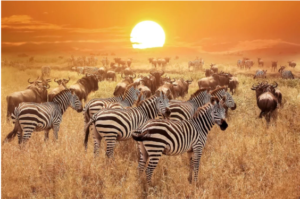
Transport shapes how much time you actually spend with wildlife.
Driving lets you see the landscape between destinations and can reduce costs, but travel days are long on rough roads. A common drive from Arusha to the central Serengeti takes a full day when combined with stops at Ngorongoro.
Flying by light aircraft between airstrips saves hours and provides spectacular aerial views. It costs more and carries strict luggage limits, typically requiring soft-sided bags.
A popular compromise is to drive one way, enjoying the highlands and the crater, and fly the other way to save time.
What a Typical Safari Day Looks Like
Understanding the daily rhythm helps you plan your energy.
- Dawn: Wake early for a game drive when animals are most active and the light is soft.
- Mid-morning: Return for breakfast or enjoy a bush breakfast on the plains.
- Midday: Rest at camp during the heat, or take a full-day drive with a picnic lunch.
- Afternoon: Head out again as temperatures cool and predators become active.
- Evening: Return at sunset for dinner, often around a campfire.
Many itineraries alternate full-day and half-day drives, so you have both extended time in the field and moments to rest.
Practical Tips Before You Lock In Dates
- Book early. Camps in prime locations are limited and fill quickly in peak seasons.
- Ask about inclusions. Confirm what your price includes, such as park fees, transfers, meals, and activities.
- Check luggage rules if you will use light aircraft.
- Plan health precautions. Speak with a travel clinic about vaccinations and malaria prevention, and confirm entry requirements.
- Buy comprehensive travel insurance that covers medical care and evacuation.
- Work with a reputable operator who knows seasonal conditions and can adjust plans if the herds move.
Conclusion
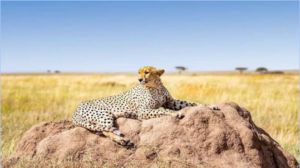
The best Serengeti safari itinerary is not the one that covers the most ground. It is the one that gives you time: time to settle into a camp, time to wait at a quiet riverbank, and time to let the plains reveal their rhythms. Start with your priorities, whether calving, crossings, big cats, or simply a first taste of Africa. Then choose the regions that match your dates, plan realistic travel between them, and leave room for the unexpected. With a balanced plan and a knowledgeable guide, the Serengeti will do the rest.
Key Takeaways
- The Serengeti is huge, so most itineraries should focus on two regions rather than trying to see everything.
- Stay at least two nights per location to avoid wasted travel time.
- Seven days is a strong all-round option; three days works as a short introduction.
- Match your route to the season: south for calving, north for river crossings.
- Combine Ngorongoro Crater with the Serengeti for added wildlife variety.
- Flying between camps saves time, while driving offers scenery and lower costs.
- Book early, confirm inclusions, and choose an experienced operator.
Frequently Asked Questions
How many days do I need for a Serengeti safari?
Three days is the practical minimum, but five to seven days is far better. This allows travel between regions and gives you more chances to see key wildlife.
What is the best Serengeti itinerary for first-time visitors?
A five- to seven-day itinerary that combines Ngorongoro Crater with the central Serengeti and one additional region is popular. It balances variety, comfort, and travel time.
Should I fly or drive into the Serengeti?
Flying saves many hours and suits travelers with limited time, while driving offers scenery and is often cheaper. Many people combine both for balance.
Can I follow the Great Migration on one itinerary?
Yes, by choosing a region based on the season. The herds move throughout the year, so check where they are likely to be during your dates and consult your operator.
Is it better to stay at one camp or several?
Staying at two camps in different regions usually gives a richer experience, as long as you spend at least two nights at each. One camp reduces packing and travel, which suits shorter trips.
What should I include besides game drives?
Optional extras include hot air balloon flights, walking safaris, cultural visits, and rest days at camp. Availability depends on the area, so confirm with your operator.
How far in advance should I plan?
For peak months, planning many months ahead is wise, since the best camps have limited capacity.