

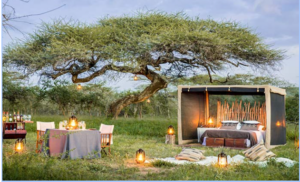
A Tanzania luxury safari is not simply a more comfortable version of a standard game drive. It is a different way of experiencing the wild: private guides who read the landscape like a book, intimate camps tucked into remote corners of the Serengeti, gourmet meals served beneath acacia trees, and the freedom to build each day around the wildlife rather than a fixed schedule.
Tanzania has long been considered one of Africa’s finest safari destinations, thanks to its vast protected areas, its extraordinary concentrations of wildlife and the sheer variety of landscapes. This guide explains what defines a luxury safari in Tanzania, where to go, when to travel, what to expect and how to plan a journey worth the investment.
What Makes a Safari Truly Luxurious?
Luxury in the bush is measured less by marble and chandeliers than by exclusivity, access and attention to detail. While definitions vary, most high-end Tanzania safaris share several qualities.
- Small, intimate camps. Many luxury properties have fewer than 20 tents or suites, which keeps the experience quiet and personal.
- Prime locations. Top camps sit in private concessions or in prime positions within the national parks, often close to river crossings, calving grounds or predator territory.
- Private guides and vehicles. Instead of sharing a vehicle with strangers, you travel with your own expert guide, set your own pace and decide when to stay or move on.
- Exceptional food and service. Fresh, thoughtfully prepared meals, fine wines and attentive, warm hospitality are standard.
- Unique activities. Hot air balloon flights, guided bush walks, night drives, fly-camping and cultural visits are frequently included or easily arranged.
- Seamless logistics. Light aircraft transfers between camps save hours of driving and connect remote regions smoothly.
The result is a safari that feels effortless, even as you venture into some of the wildest places on Earth.
Top Destinations for a Luxury Safari in Tanzania
The Serengeti
No name is more closely linked to Tanzania safaris than the Serengeti. This vast ecosystem is home to the annual wildebeest migration, as well as resident lions, leopards, cheetahs, elephants and an abundance of plains game. Luxury travelers can choose between the central Serengeti around Seronera, known for year-round predator sightings, the northern Serengeti near the Mara River, and the western corridor along the Grumeti River.
Many high-end operators also offer mobile camps that move with the herds. These are fully staffed tented camps with comfortable beds, private bathrooms and excellent cuisine, placing you directly in the path of the migration.
Ngorongoro Crater
The Ngorongoro Crater is one of the world’s largest intact volcanic calderas, and it shelters a dense population of wildlife within its walls. It is among the best places in Africa to see black rhino, along with lions, hyenas, elephants and large herds of grazers. Luxury lodges perched on the crater rim offer sweeping views, elegant interiors and a dramatic sense of place.
Tarangire National Park
Famous for its ancient baobab trees and large elephant herds, Tarangire is especially rewarding in the dry season, when animals gather along the Tarangire River. It is a quieter alternative to the Serengeti, and boutique camps here often combine privacy with excellent wildlife viewing.
Lake Manyara and the Northern Circuit Extras
Lake Manyara is known for its tree-climbing lions, flamingo-lined shores and lush groundwater forest. It makes a worthwhile short stop, and it pairs well with a cultural visit to nearby Maasai communities or Lake Eyasi, home to the Hadzabe and Datoga people.
Southern and Western Tanzania: Nyerere and Ruaha
For travelers seeking true remoteness, the southern circuit is a standout. Nyerere National Park (formerly part of the Selous Game Reserve) offers boat safaris, walking safaris and sightings of wild dogs, hippos and crocodiles along the Rufiji River. Ruaha, Tanzania’s largest national park, is a rugged, wild landscape with some of the highest lion numbers in East Africa. Both are far less visited than the north, which adds to their appeal.
Beach Extension: Zanzibar and Beyond
A luxury safari often ends with a few days on the Indian Ocean coast. Zanzibar’s boutique resorts, private villas and white sand beaches offer a gentle contrast to the bush. Pemba and Mafia Island provide even more secluded options, including exceptional diving and snorkeling.
The Best Time to Go
Tanzania can be visited all year, but the best period depends on what you want to see.
- June to October (dry season): Excellent game viewing as animals gather around water. This is the peak season and includes the Mara River crossings in the northern Serengeti, usually from July to October.
- January to March (calving season): Large herds gather on the southern Serengeti plains, followed by predators. It is warm, green and rewarding for photographers.
- November to December (short rains): Brief showers, fewer visitors and lush scenery. The herds begin moving south again.
- April to May (long rains): Quietest period with lower rates. Some camps close, and roads can be difficult, but those who travel then enjoy a very private experience.
If you are targeting a specific event, such as a river crossing or calving season, book well in advance. The best camps in the best locations can sell out many months ahead.
What Does a Tanzania Luxury Safari Cost?
Pricing varies widely depending on the season, location, camp category and length of stay. Luxury camps commonly charge several hundred to well over a thousand US dollars per person per night on a full-board basis, with higher rates during the peak migration months. Rates often include accommodation, meals, drinks, game drives and laundry, while park fees, flights and special activities may be extra.
When comparing quotes, check carefully what is included. The main variables are:
- Park and conservation fees, which are charged per person per day.
- Internal flights between camps.
- Private versus shared vehicles.
- Premium activities such as balloon flights.
- International flights and travel insurance.
A reputable specialist operator will provide a clear, itemized breakdown so that there are no surprises.
Sample Itinerary: 10 Days of Tanzania in Style
A well-balanced luxury itinerary might look like this:
- Days 1 to 2: Arusha and Tarangire. Arrive at Kilimanjaro International Airport, transfer to a boutique lodge and head into Tarangire for elephants and baobabs.
- Day 3: Ngorongoro Crater. Descend into the crater for a full-day game drive, returning to a rim lodge with views.
- Days 4 to 8: The Serengeti. Fly between two or three camps to follow the wildlife, combining game drives with a sunrise balloon flight and a bush breakfast.
- Days 9 to 10: Zanzibar. Unwind with spa treatments, seafood dinners and time on the beach before flying home.
This structure balances variety, comfort and travel time, and it can be adapted to your interests, season and budget.
Tips for Planning Your Trip
- Work with a specialist. A Tanzania-based or experienced Africa safari company will have insider knowledge of camps, guides and seasonal conditions.
- Allow enough time. At least three nights in each region is a good rule, as it reduces transit time and increases your wildlife encounters.
- Choose the right guide. An excellent guide shapes the entire safari. Ask about guide experience and qualifications.
- Pack smart. Neutral, lightweight layers, a warm jacket for early mornings, a wide-brimmed hat, sunscreen and a good pair of binoculars. Soft-sided bags are best for light aircraft, which have strict luggage limits.
- Check health requirements. Consult a travel clinic about vaccinations and malaria prevention, and confirm current visa and entry rules before you travel.
- Travel responsibly. Choose camps that support conservation, employ and train local people and minimize their environmental footprint.
Responsible Luxury: Conservation and Community
The best luxury safaris do more than provide comfort. They fund anti-poaching patrols, support wildlife research and invest in schools, clinics and training programs for neighboring communities. Tourism revenue is one of the main reasons that Tanzania’s wild landscapes remain protected.
When choosing a camp or operator, look for evidence of genuine community partnerships, local employment and sustainable practices such as solar power and water conservation. Responsible luxury ensures that the places you visit remain wild for generations to come.
Conclusion
A Tanzania luxury safari offers something rare: the chance to experience Africa’s most dramatic wildlife and landscapes with comfort, privacy and expert guidance. From the endless plains of the Serengeti and the crater walls of Ngorongoro to the quiet rivers of the south and the shores of Zanzibar, the country offers a depth and variety that few destinations can match.
The secret to a memorable trip lies in thoughtful planning. Choose the right season for your priorities, allow enough time in each region, partner with experienced specialists and select camps that treat both guests and the environment with respect. Do that, and your safari will be far more than a vacation. It will be a story you tell for the rest of your life.
Key Takeaways
- Luxury safaris in Tanzania are defined by exclusivity, private guiding, small camps and exceptional service, not just fine furnishings.
- The Serengeti, Ngorongoro Crater and Tarangire form the classic northern circuit, while Nyerere and Ruaha offer remote, uncrowded alternatives.
- June to October is peak season for game viewing, and January to March is ideal for calving.
- Costs vary widely, so compare what is included, especially park fees, flights and activities.
- Book early for peak months, and plan at least three nights per region.
- A beach extension in Zanzibar makes an ideal finish.
- Responsible camps support conservation and local communities.
Frequently Asked Questions (FAQ)
How much does a luxury safari in Tanzania cost?
Prices depend on the season, camp and itinerary. Many luxury camps charge from several hundred to well over a thousand US dollars per person per night. Park fees, internal flights and special activities may be additional, so always request an itemized quote.
What is the best month for a luxury safari in Tanzania?
June to October is the most popular period for excellent wildlife viewing, and July to October is best for Mara River crossings. January to March is ideal for calving season. The best month depends on your priorities.
How many days do I need?
Seven to ten days is a comfortable minimum for a well-rounded itinerary, and many travelers add several days on Zanzibar. Longer trips allow for more remote areas and a slower pace.
Is Tanzania safe for tourists?
Tanzania is generally considered a safe and welcoming destination for safari travelers. Using a reputable operator, following your guide’s instructions and taking normal travel precautions will help ensure a safe trip.
Do I need vaccinations or malaria tablets?
Requirements can change, so consult a travel health clinic well before departure. Malaria precautions are commonly recommended, and some vaccinations may be advised or required depending on your travel history.
Is a luxury safari suitable for families?
Yes. Many camps welcome children, and some offer family tents, private vehicles and child-friendly activities. Minimum age policies vary, so confirm this when booking.
Should I choose a lodge or a tented camp?
Both can be luxurious. Lodges often offer more space and amenities, while tented camps provide a closer connection to the bush. Mobile camps are an excellent way to follow the migration.